
Yoga and Ayurveda are sister sciences. Yoga works through the body and breath; Ayurveda — the science of life — works through the rhythm of your day, your food and the seasons. In my practice, every 90-day plan starts with both.
The easiest place to begin is Dinacharya, the Ayurvedic daily routine. Its idea is simple: when you live in step with the natural cycles of the day, your digestion, sleep and mood settle on their own.
Seven steps for tomorrow morning
- Wake early. Ideally before sunrise, in the calm hours Ayurveda calls Brahma muhurta. Start with 20 minutes earlier than today — that's enough.
- Clean the senses. Brush, gently scrape the tongue, rinse the mouth and splash cool water on your eyes and face.
- Drink warm water. A glass of lukewarm water wakes up digestion (agni) far more kindly than tea on an empty stomach.
- A little oil massage. Rub warm sesame oil (or coconut oil in hot weather) into your feet, knees and shoulders for two minutes — abhyanga. It calms Vata, the energy of movement and anxiety.
- Move. Ten minutes of gentle yoga — a few rounds of Surya Namaskar, cat–cow, twists.
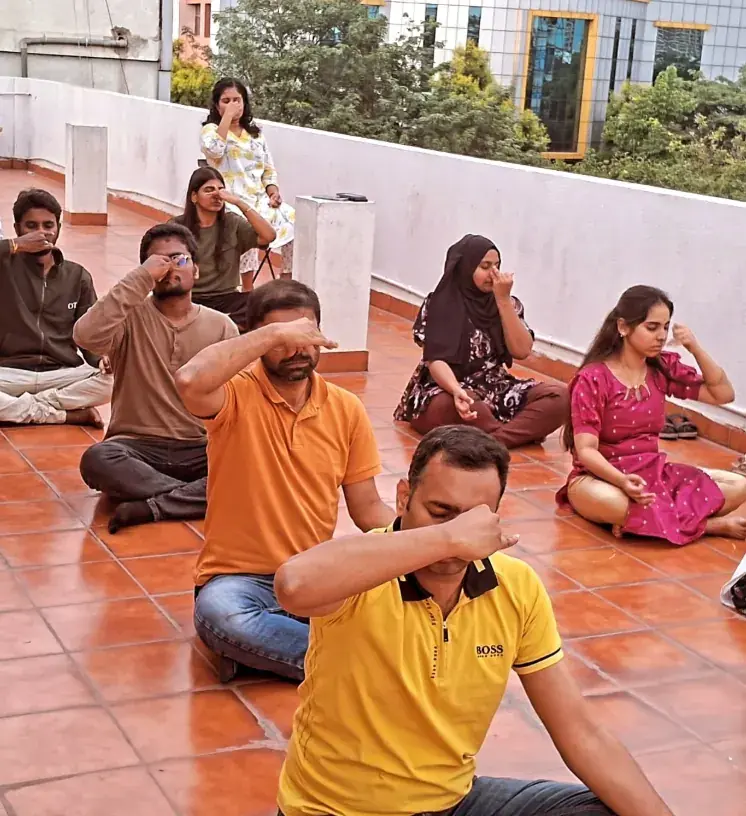
- Breathe and sit. Five rounds of Nadi Shodhana, then two minutes of stillness.
- Eat warm and simple. A light, warm breakfast. Save your largest meal for midday, when Ayurveda says digestion is strongest.
You don't need to do all seven. Choose two, do them daily for a month, then add another.
Why it works
Ayurveda describes three energies — Vata, Pitta and Kapha — that shape each of us. Every person has their own natural balance, their prakriti. Irregular sleep, late meals and constant screens push these energies out of balance long before we notice symptoms. A steady morning routine is one of the gentlest ways to bring them back.
That's also why the routine above changes a little for each person. A Pitta-dominant person may need cooler oils and a calmer practice; a Kapha type benefits from waking earlier and moving more briskly. In your assessment, we look at this together.